2027 TBC❋
Ski Bootfitting for Podiatrists
What to Expect
Stop treating skiers like runners.
Skiing is one of the most biomechanically misunderstood sports in podiatry.
Rigid boots. Restricted ankle motion. High forces.
And patients who say things like:
“My toes go numb after two runs”
“My arch cramps every time I ski”
“I can’t ski more than 4 runs because my feet hurt too much”
If you’re applying running-based logic to ski problems… you’re missing the real cause.
❋ Learn Ski-Specific BiomechanicsDifferentiate skiing biomechanics from walking and running
Explain how rigid footwear alters lower limb function and load distribution
❋ Conduct a Targeted Skier AssessmentTake a skier-specific subjective history that informs diagnosis
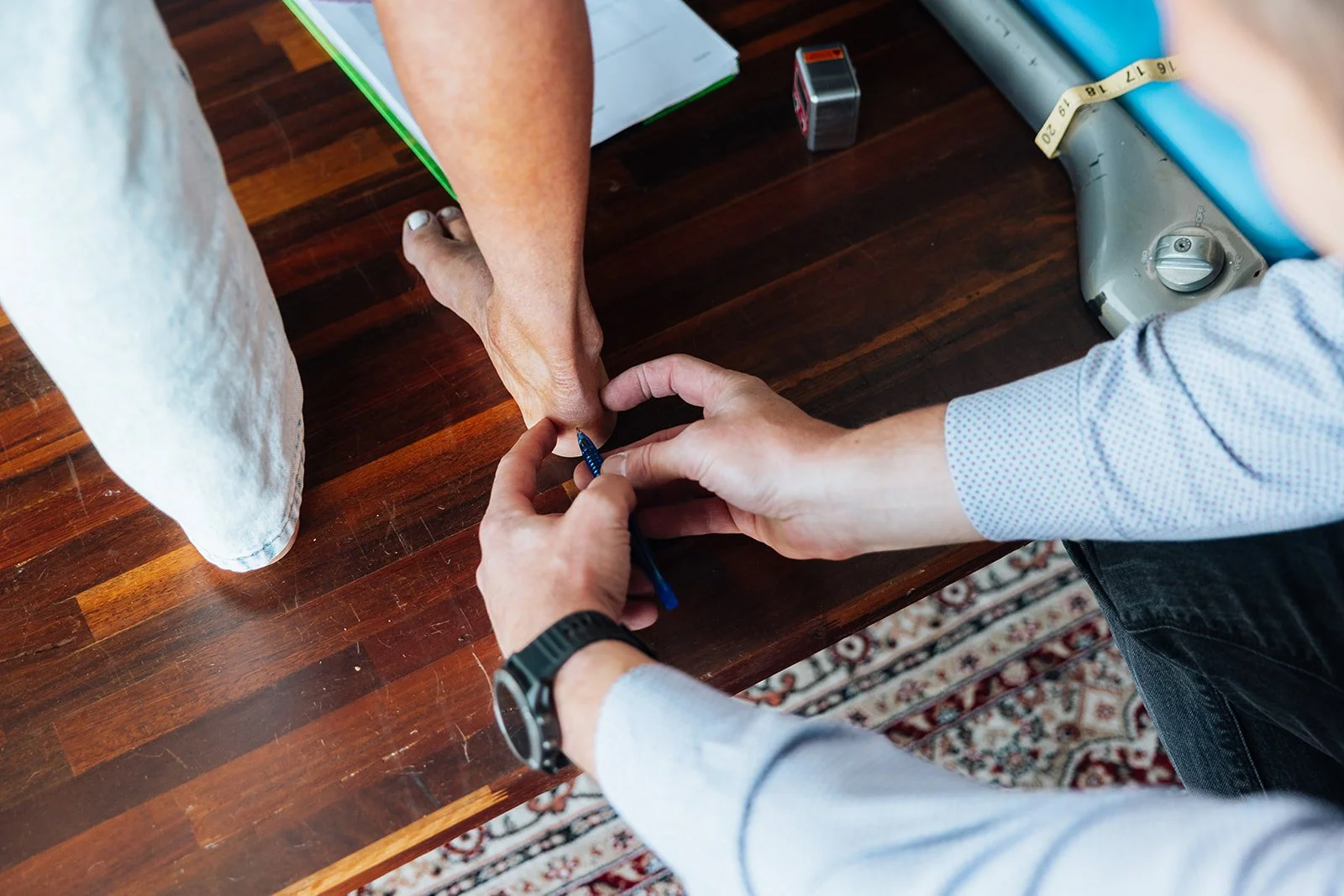
Perform clinical assessments relevant to ski boot function
Identify key biomechanical red flags impacting ski performance and comfort
❋ Interpret Symptoms in a Skiing ContextTranslate common on-snow complaints (e.g. numbness, arch pain, quad fatigue) into underlying mechanical causes
Recognise patterns unique to ski boot environments
Understand ski technique symptoms and how it relates to boot fit
Describe ski boot anatomy and how each component influences foot mechanics
Identify when boot fit or design is contributing to pathology
Understand common boot modification techniques and their purpose
❋ Understand Ski Boot Design and Its Clinical Implications❋ Prescribe & make Ski-Specific Orthotic InterventionsDesign orthotic strategies appropriate for rigid, confined footwear
Balance foot stability with volume constraints
Modify orthoses for common boot symptoms and issues
❋ Diagnose and Manage Common Ski-Related ConditionsAssess and manage conditions including:
Morton’s neuroma
Hallux valgus
Arch pain/cramps
Numbness
Shin pain
Ankle pain
Apply condition-specific treatment strategies within the ski boot context
Course Format
This isn’t another lecture.
This is where it clicks.
Two days. Small group. Real cases. Real boots.
The kind of learning that actually changes how you practice on Monday morning.
2 day workshop, in-person.
Practical sessions to support the theory being taught.
Date: 2027 date and location TBC
10 CPD points.
Morning and afternoon tea provided.
Certificate presented at end of course.
Why attend in person?
Because some things you can’t learn on a screen.
In this intensive 2-day workshop, you’ll:
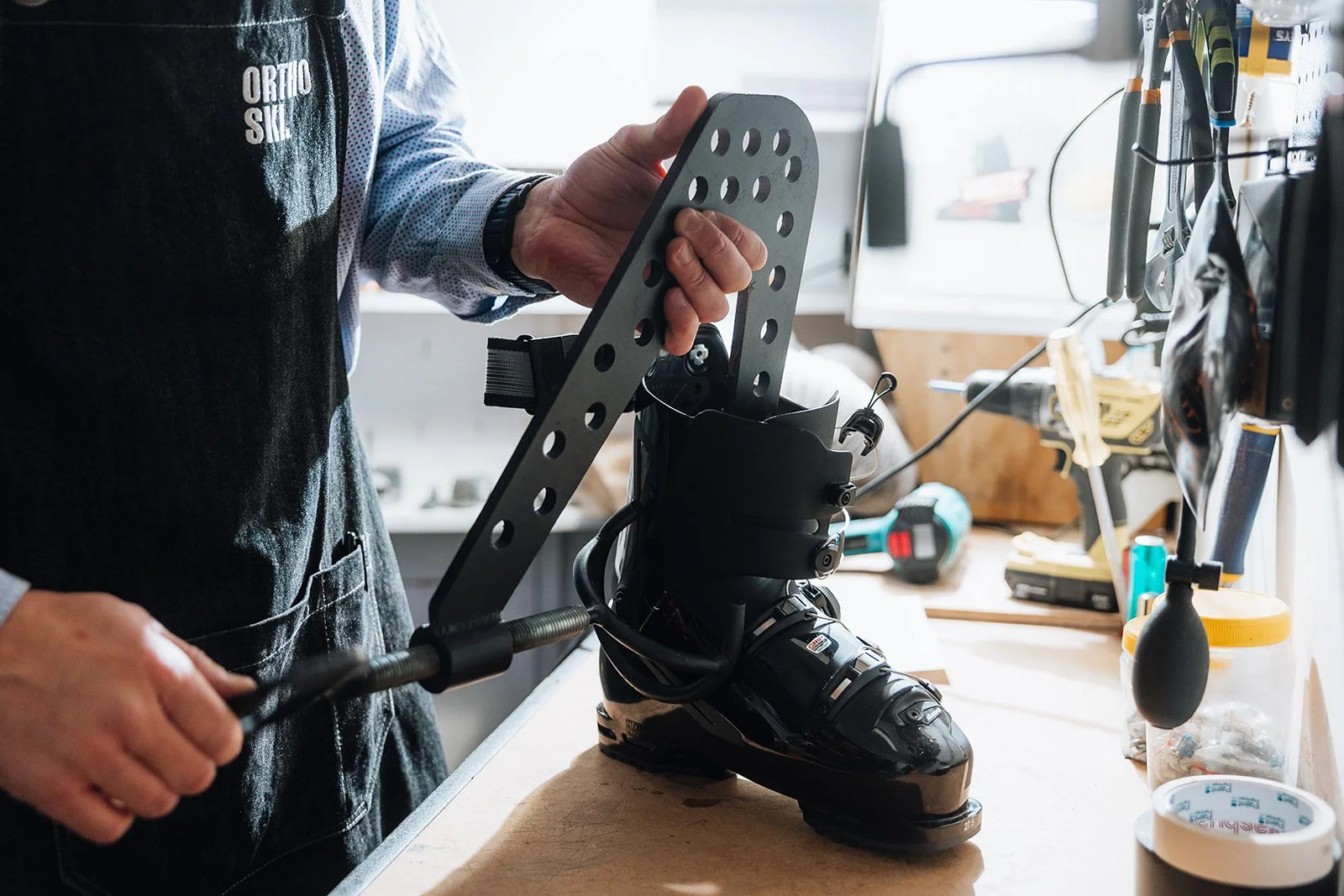
Handle and assess real ski boots and liners
See (and understand) key boot modifications up close
Work through real clinical scenarios step-by-step
Ask questions, test ideas, and refine your thinking in real time
Learn and do boot modification techniques
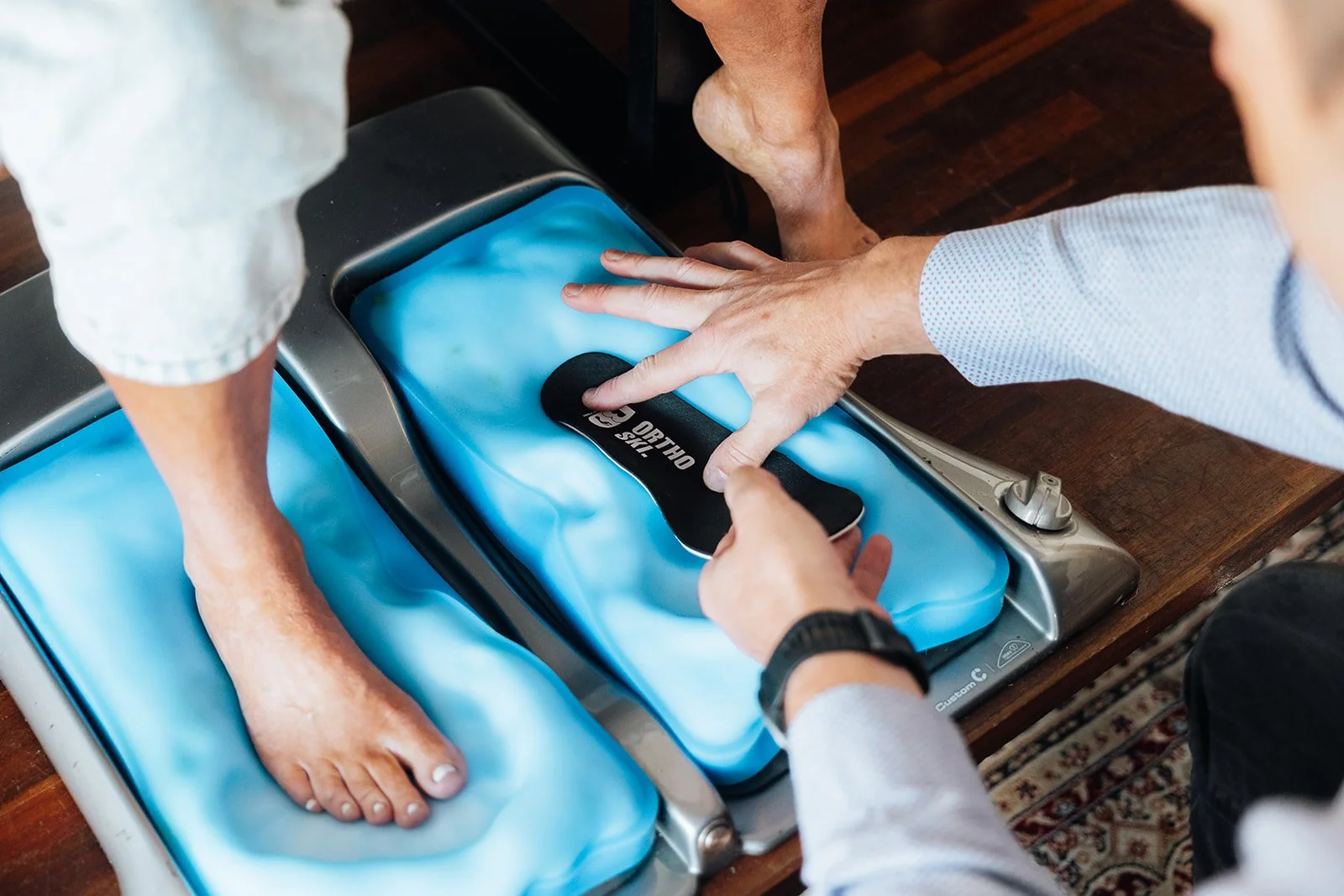
Make and prescribe ski orthotics
This is the missing link between theory and confident clinical application.
You’ll leave with:
A clear, repeatable assessment framework
Confidence in diagnosing ski boot-related issues
Practical strategies you can apply immediately
A ski assessment form to use in your clinic
A template for prescribing ski orthoses from a lab
A skillset that sets you apart in your podiatry
How to talk skiing and market your new skills for your clinic
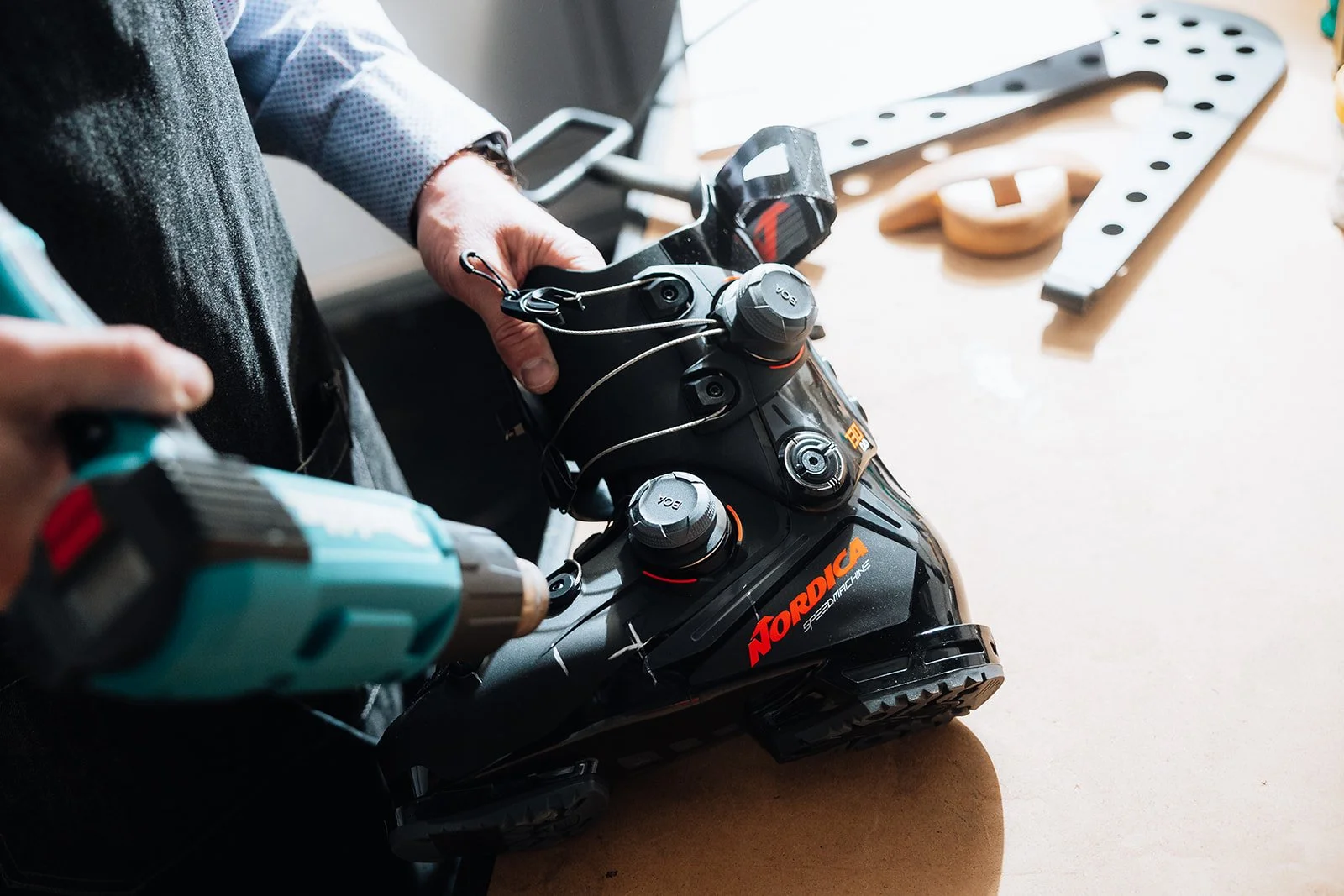
Learn how to prescribe appropriate ski orthotics from a lab.
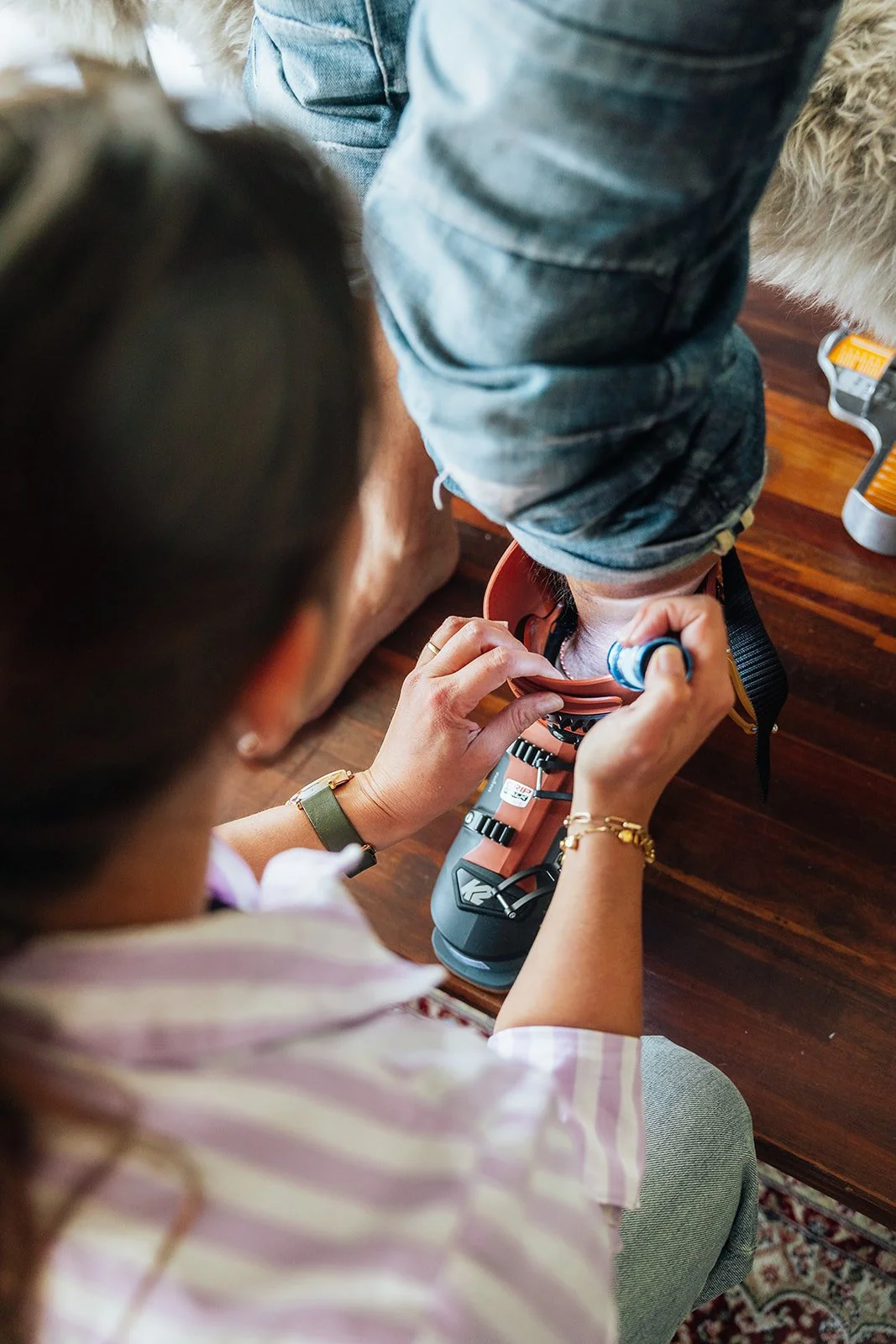
Cast and manufacture ski orthoses in a practical session.
Come away with a ski assessment form for your clinic.
Learn boot modifications that you can easily do in your own clinic.
Who is this for?
Podiatrists and physios
Clinicians prescribing orthotics
Anyone wanting to specialise in skiing and alpine sports
No prior understanding of skiing is required
Prior understanding of foot anatomy and function is expected

Meet your course creators and presenters
Krista Sturday & Ray Wills — Podiatry and Industrial Design meets real-world bootfitting.
Between them, Krista and Ray have spent over 40 years working on-the-snow, fitting ski boots to athletes and everyday skiers. A decade ago they started Ortho Ski, a custom ski boot fitting clinic working at the intersection of clinical podiatry and high-performance ski boot fitting.
After decades working with skiers and boots, they’ve seen just how often skiing-related issues are misunderstood—not from a lack of skill, but because the environment demands a different way of thinking. Over time, they’ve developed a clear, repeatable approach to diagnosing and managing these problems. They have designed this course to equip clinicians with the tools to deliver better outcomes—so their patients can experience skiing with the comfort, control and enjoyment it’s meant to offer.
Book Your Spot Now
Interested in more bootfitting workshops or online courses? Sign up here.